


EcoPure® is a revolutionary organic plastic additive that significantly increases the biodegradation* rate of plastics and plastic products.
For more information go to www.goecopure.com or contact us.
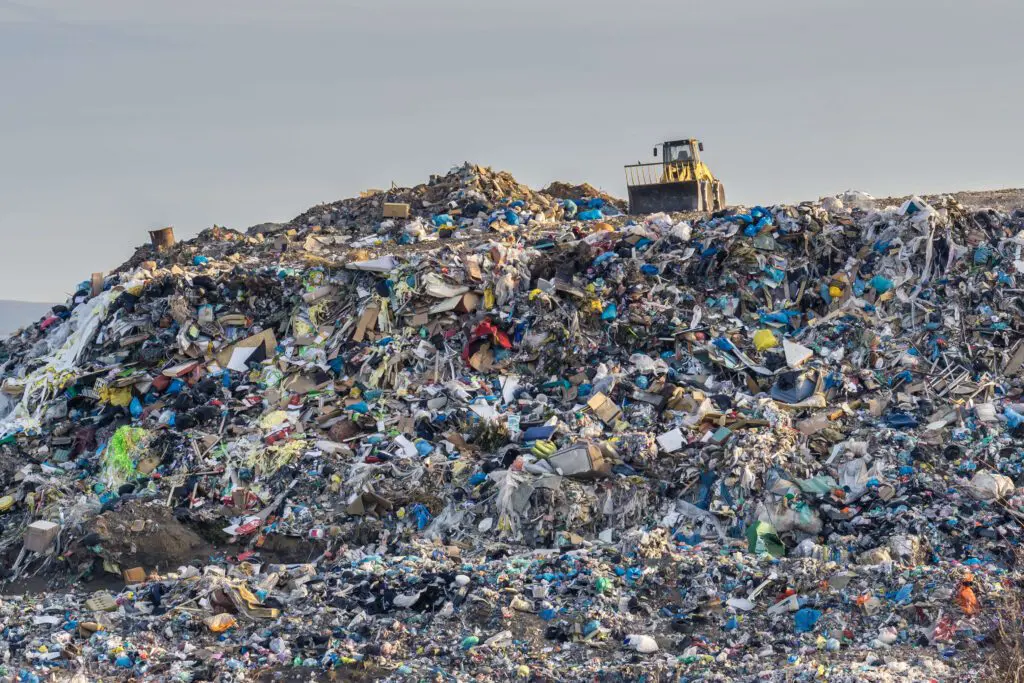
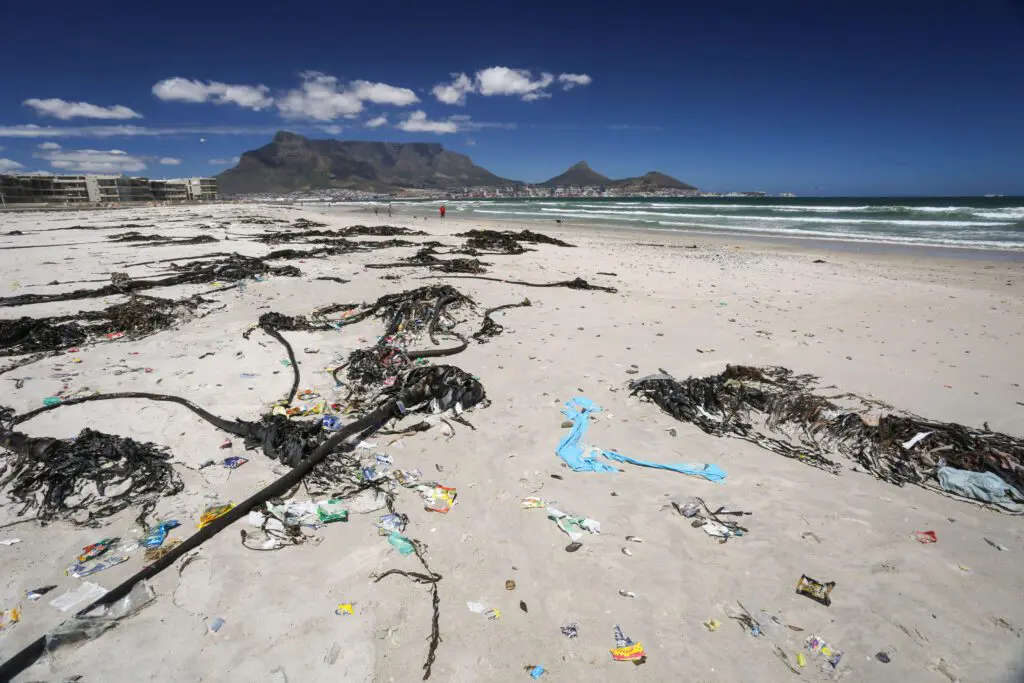
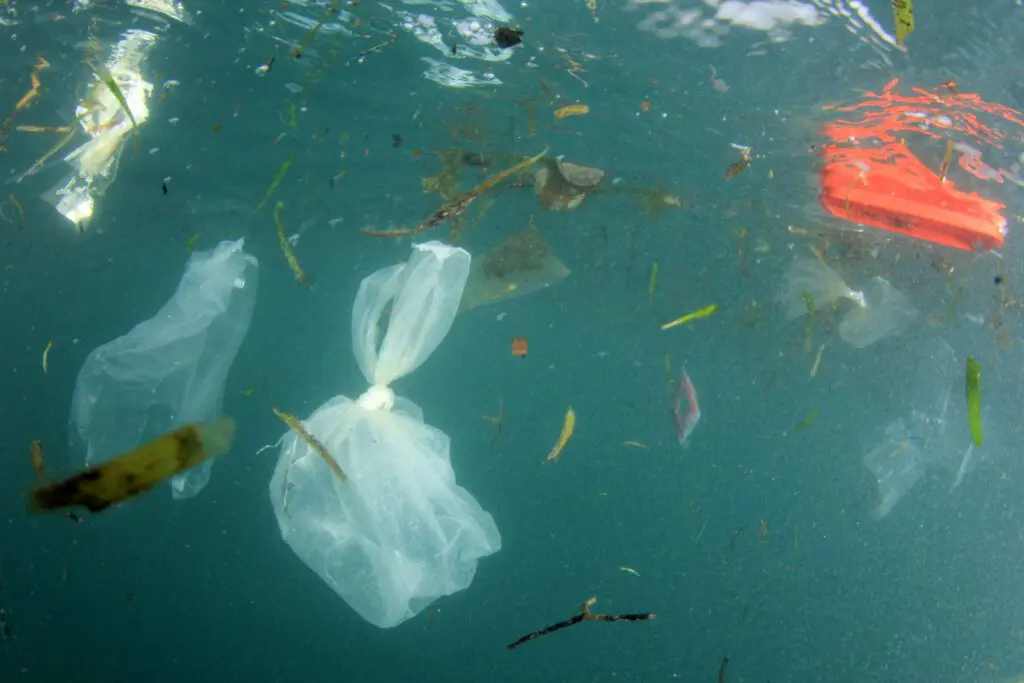
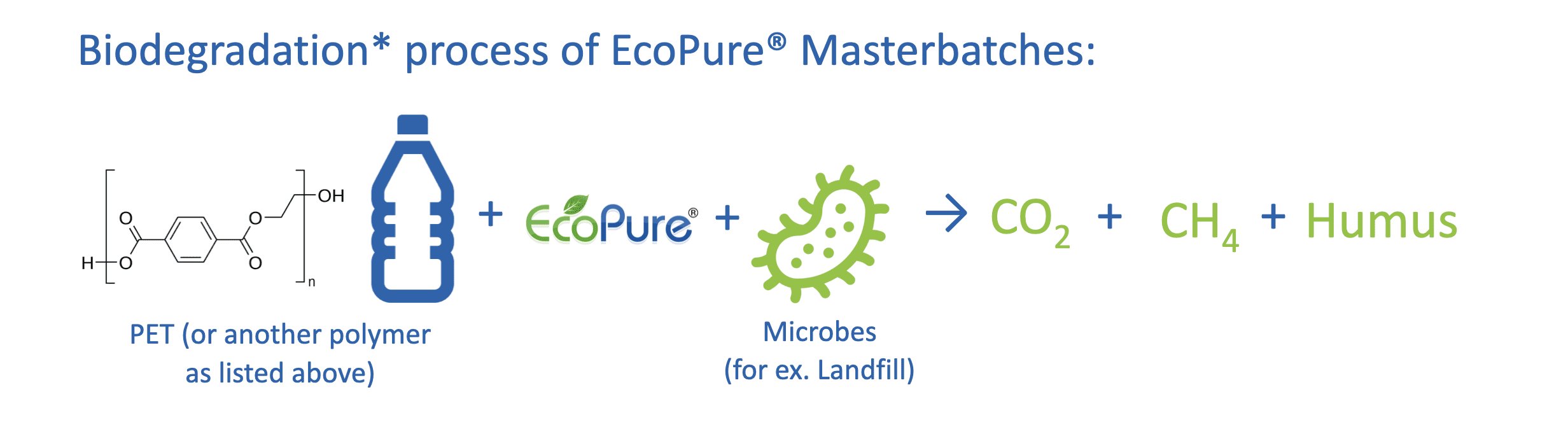
Ingredients in EcoPure® allow the formation of a coating called biofilm on the plastic when it is in a microbe rich environment such as a landfill by attracting microbes to the plastic. The biofilm is made up of colonies of microorganisms which penetrate the plastic. These microbes then send out chemical signals attracting other microbes. Collectively, they then feast on the polymer chains, breaking down the chemical bonds. EcoPure® additives are tested to show this accelerated rate of biodegradation* in treated plastic using standard tests such as ASTM D5511.
EcoPure® is not toxic and is safe for use in food-contact applications. EcoPure® has been independently tested for toxicity and has been certified as FDA compliant. EcoPure® masterbatches are also EU 10/2011 compliant.
Products treated with EcoPure® biodegrade as a result of microbial digestion. The process of microbial digestion can take place in either aerobic (with oxygen) or anaerobic (without oxygen) conditions. These conditions determine what by-products are produced. In aerobic microbial environments the by-products will be carbon dioxide, water, and humus. Humus is the degraded organic material in soil, which causes some soil layers to be dark brown or black. In soil science, humus refers to any organic matter that has reached a point of stability, where it will break down no further. For anaerobic microbial environments, the by-products will be carbon dioxide, methane, and humus.
EcoPure® treated products must be disposed of or kept in active microbial environments in order to biodegrade. Most warehouse and retail environments do not contain the microbes needed for biodegradation.
EcoPure® treated plastic articles have been shown through testing to biodegrade into carbon dioxide, methane or water and humus, and that the entire polymer chain is consumed by the microbes. Microplastics on the other hand are extremely small fragments of plastics that enter the environment primarily through the abrasion and weathering of plastics during use and after disposal (particularly incorrect disposal such as littering) where the polymer chains are mostly still intact.
EcoPure® products should biodegrade in any active microbial environment, including lakes, oceans and streams. EcoPure® has been tested according to ASTM D6691 which is the standard test method for determining aerobic biodegradation of plastic materials in the marine environment.
No, oxo-degradable additives introduce metallic salts into traditional polymers, making them susceptible to rapid degradation when in the presence of sunlight and oxygen. This process breaks the polymer chains into small pieces, causing the waste plastic to disintegrate in the environment. EcoPure® does not contain any metallic salts and works on an entirely different mechanism which requires neither sunlight nor oxygen.
Biodegradation of EcoPure® products will occur anywhere where there is an active microbial environment. Sitting on the dirt next to the road will subject the bottle to an active microbial environment; however the entire bottle will not be subjected to the microbial environment simultaneously and will result in a much longer biodegradation period. Plastic litter also has an unfortunate habit of blowing in the wind and floating on water, which might serve to disrupt some microbe colonies during the biodegradation process, which might then slow the process down.
Tests have been completed to show that biodegradation is occurring on the entire polymer chain versus just consuming the EcoPure® additive present in the treated plastic. ASTM testing has consistently shown biodegradation of treated materials far in excess of the amount of EcoPure® being used.
*Biodegradation rates of EcoPure® – treated plastic materials measured according to the ASTM D5511 test method. Tests are generally conducted using 20% to 30% solids content; solids content in naturally wetter landfills range from 55% to 65%, while the driest landfills may reach 93%. Actual biodegradation* rates will vary in biologically-active landfills according to the type of plastic used, the product configuration, and the solid content, temperature and moisture levels of the landfill.